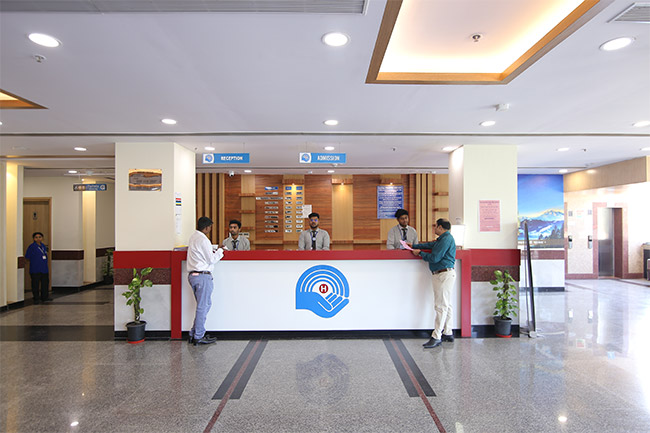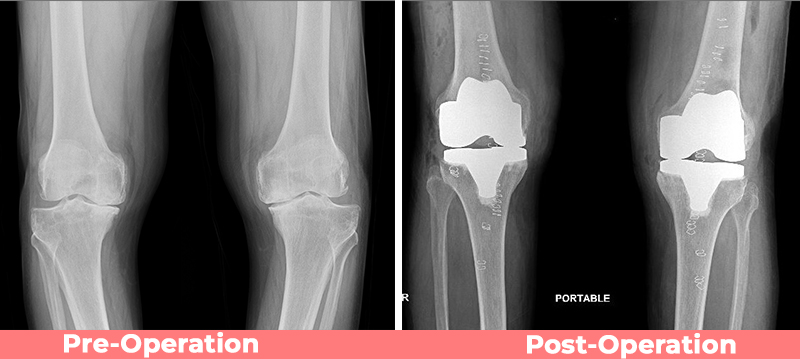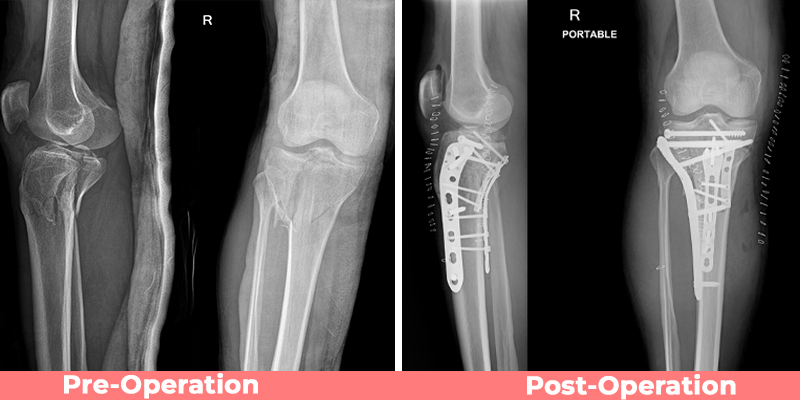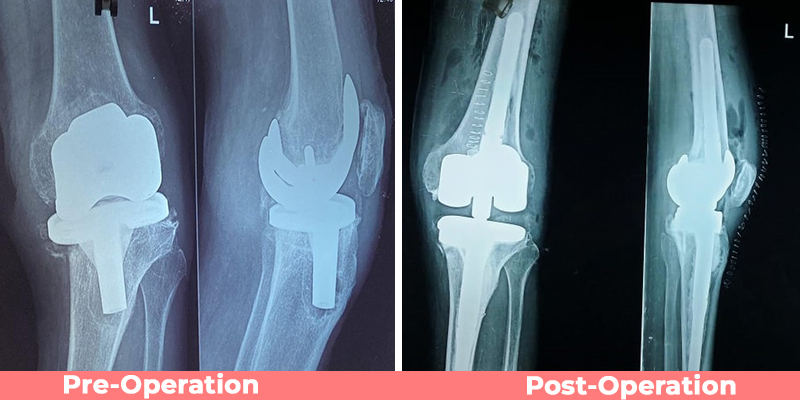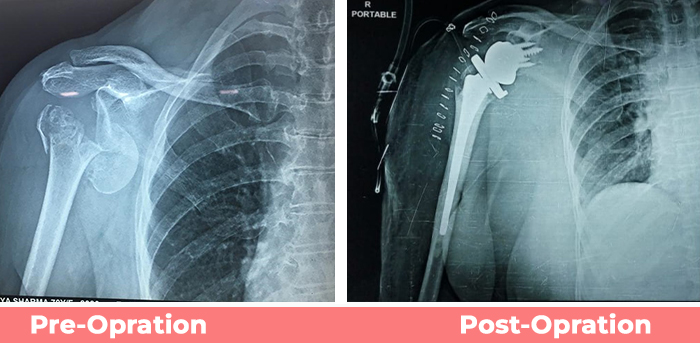
Not every recovery looks the same.
Some people come in after surgery, already expecting a long process. Others walk in with pain that’s been ignored for months, like a stiff shoulder, a back that won’t settle, a knee that doesn’t feel stable anymore. In most cases, the goal is simple. To move better, with less discomfort, and get back to a routine that feels normal.
At Sant Parmanand Hospital, the Physiotherapy and Rehabilitation hospital in Delhi NCR is built around that idea. The focus is not just on treatment, but on helping patients move forward in a way that actually holds up in daily life.
The department brings together trained physiotherapists, structured rehabilitation plans, and equipment that supports different stages of recovery, from early movement to strength and function, with a team that is also trained to manage both routine rehabilitation and urgent care requirements when needed.
Physiotherapy is usually associated with injuries, but in practice, it covers a much wider range of conditions.
As a best physiotherapy hospital in Delhi NCR, the department works with patients dealing with both recent issues and long-term physical limitations.
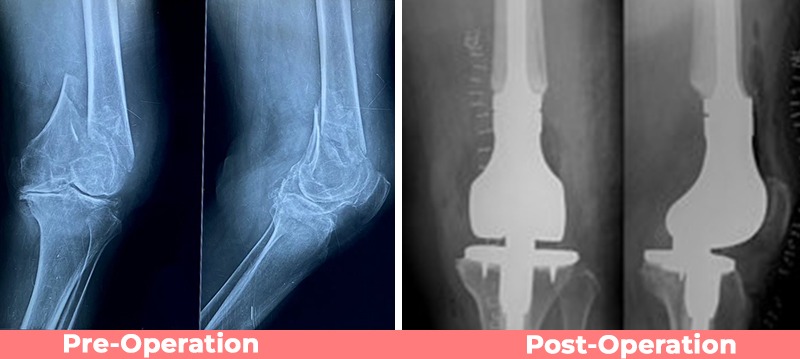
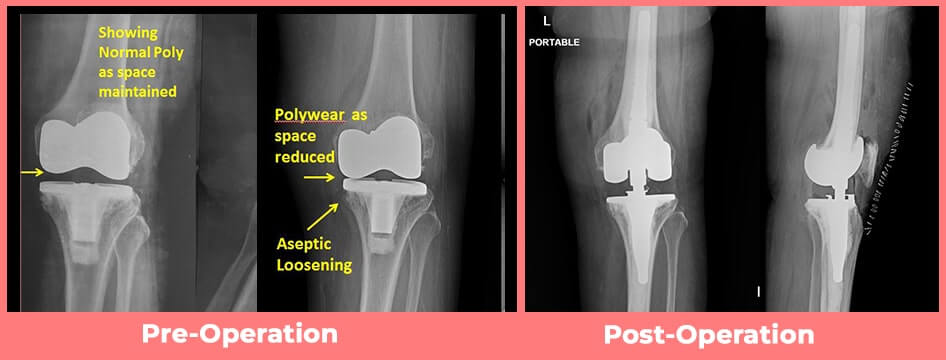
Rehabilitation after joint procedures is also a major part of care, particularly knee replacement physiotherapy, where recovery needs to be paced carefully.
People usually come in with one or more of these:
Sometimes these start small, but over time they begin to interfere with everyday tasks.
At our Physiotherapy and Rehabilitation hospital in Delhi NCR, treatment is not fixed in advance. It is built after understanding how the patient is actually functioning.
The first step is assessment.
This includes looking at movement, posture, strength, flexibility, and medical history. Reports like X-rays or surgical notes are also reviewed where needed.
Once that’s done, a plan is put together. It may include:
For surgical cases, including physical therapy for knee replacement, recovery is broken into stages. Early movement is introduced first, then strength, then functional activity.
Support is also provided for:
Plans are adjusted along the way, depending on how the patient responds.
Progress is usually gradual, but consistent.
The department works as a rehabilitation centre in Delhi NCR, offering both inpatient and outpatient care.
As a Best rehabilitation Hospital in Delhi, the idea is to provide care that fits the patient’s condition; whether that means short-term sessions or longer rehabilitation.
The services are structured to remain accessible and comprehensive, with a focus on supporting recovery without unnecessary delays.
The department is supported by a team of physiotherapists in Delhi who work across different areas of rehabilitation.
Treatment is usually reviewed and adjusted as the patient progresses, rather than following a fixed schedule throughout.
Most patients do not come in expecting quick results.
In many cases, movement is already limited, or pain has been present for a while. What tends to help is consistency with regular sessions, small improvements, and guidance on what to do outside the hospital as well.
Over time, patients are usually able to regain strength, improve mobility, and return to daily activities with fewer restrictions. The pace varies, but the approach remains steady.
It is a facility where treatment focuses on improving movement and reducing pain without surgery.
It helps patients recover function after injury, illness, or surgery.
Improvement in movement, strength, and daily function, depending on the condition.
Hospitals provide overall medical care. Rehab centers focus on recovery and physical function.
No, physiotherapy is a non-surgical form of treatment.
Yes, once exercises are taught properly.
This depends on the condition and the treatment plan advised by the physiotherapist.
It varies. Some cases take weeks, others take longer.
It restores movement and reduces stiffness.
It helps regain strength and mobility.
The department is equipped with a range of rehabilitation tools including continuous passive motion (CPM) machines for joints, combination therapy units, longwave diathermy, digital spinal assessment systems, and functional training equipment such as therabands, wobble boards, and stability tools.
It improves joint movement after surgery.
It helps reduce pain and activate muscles.
Yes, when done under supervision.
Orthopaedic, neurological, cardiac, pulmonary, and post-surgical programs.
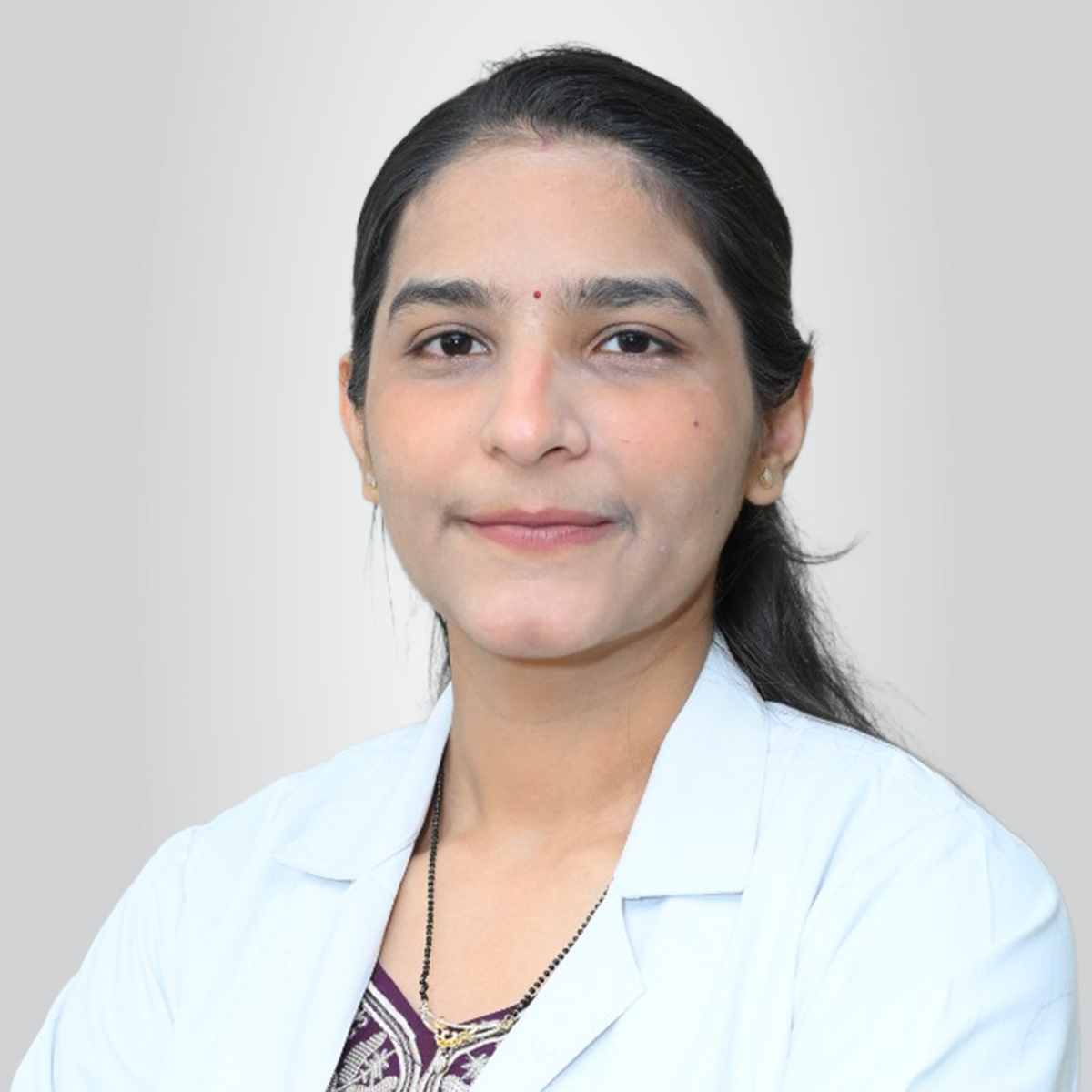
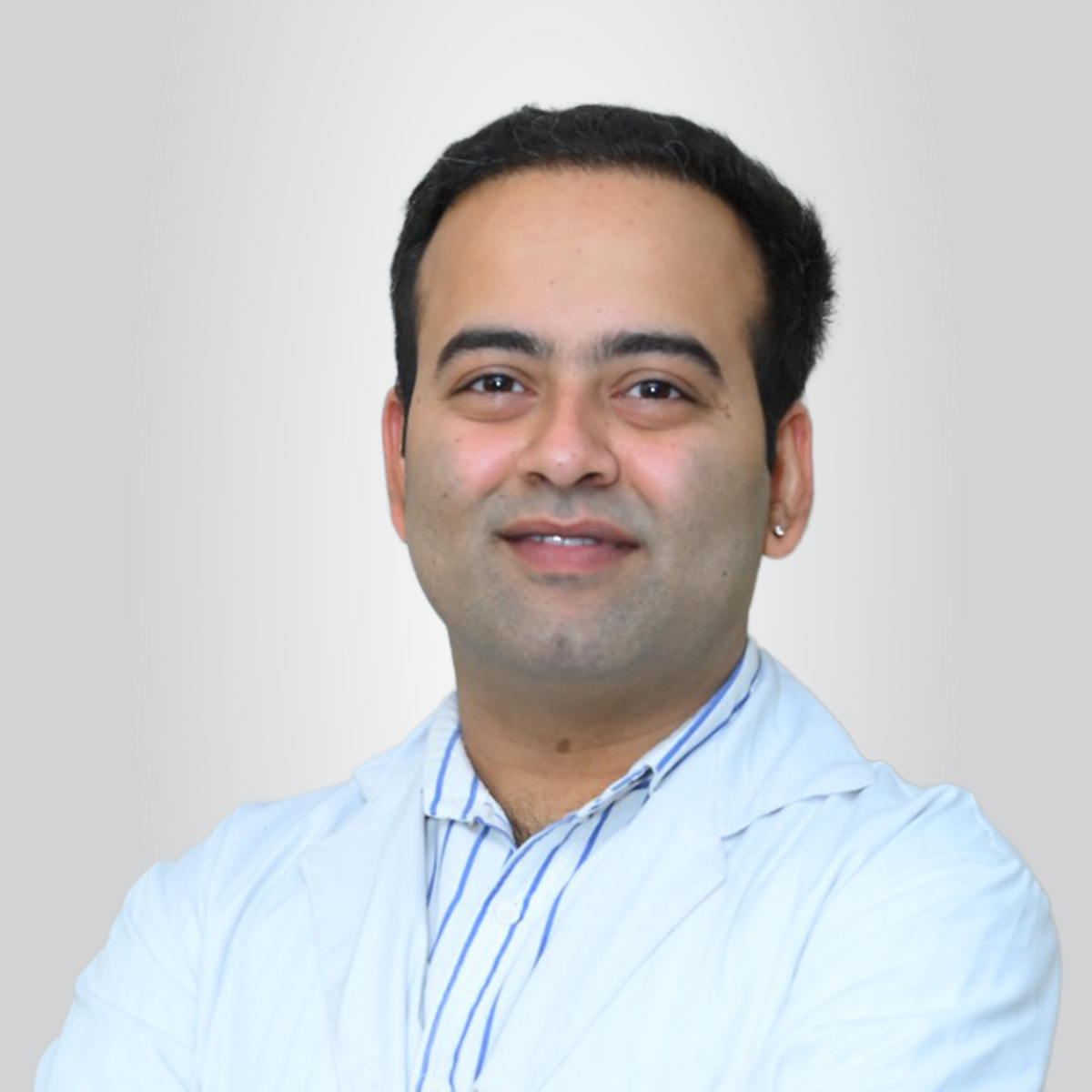
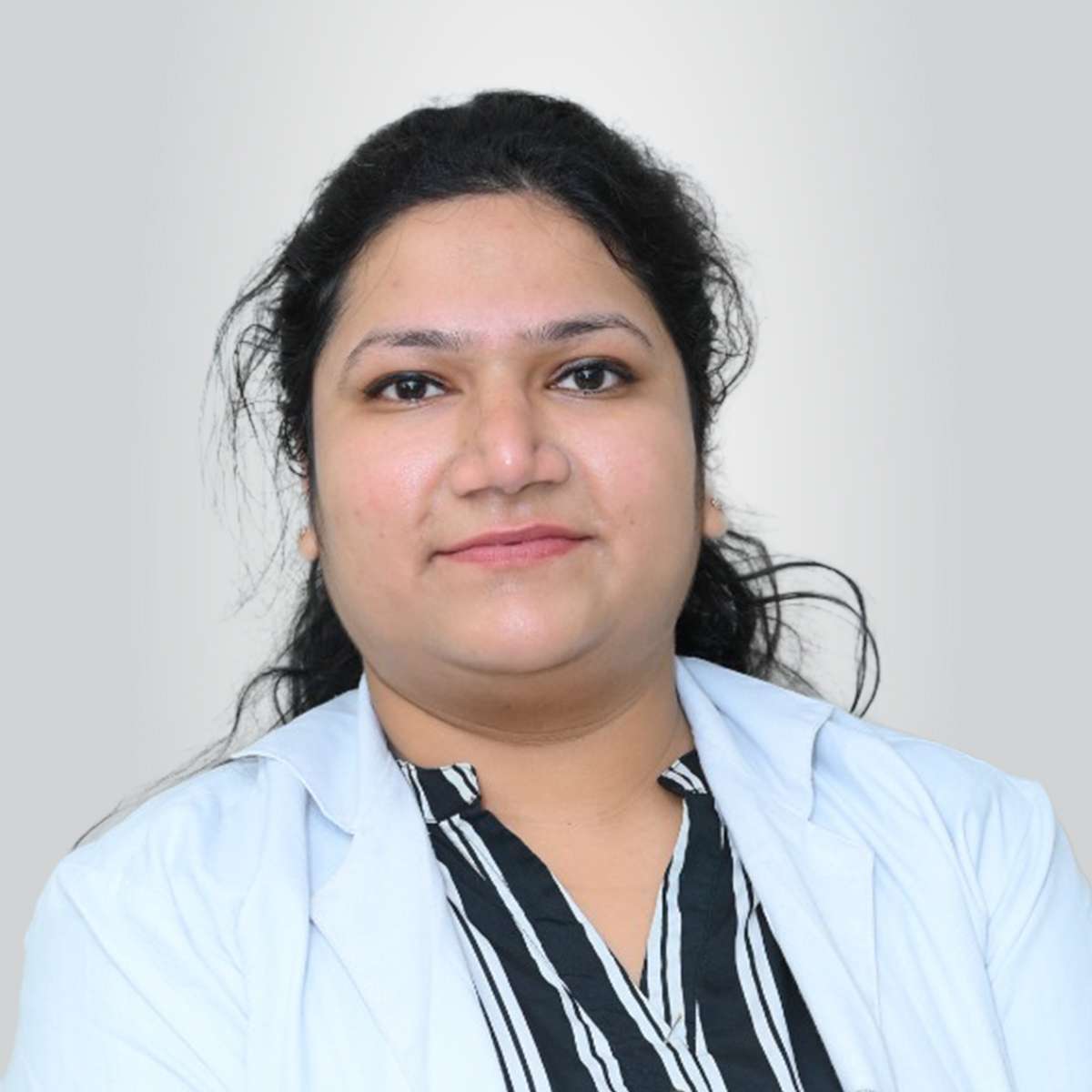
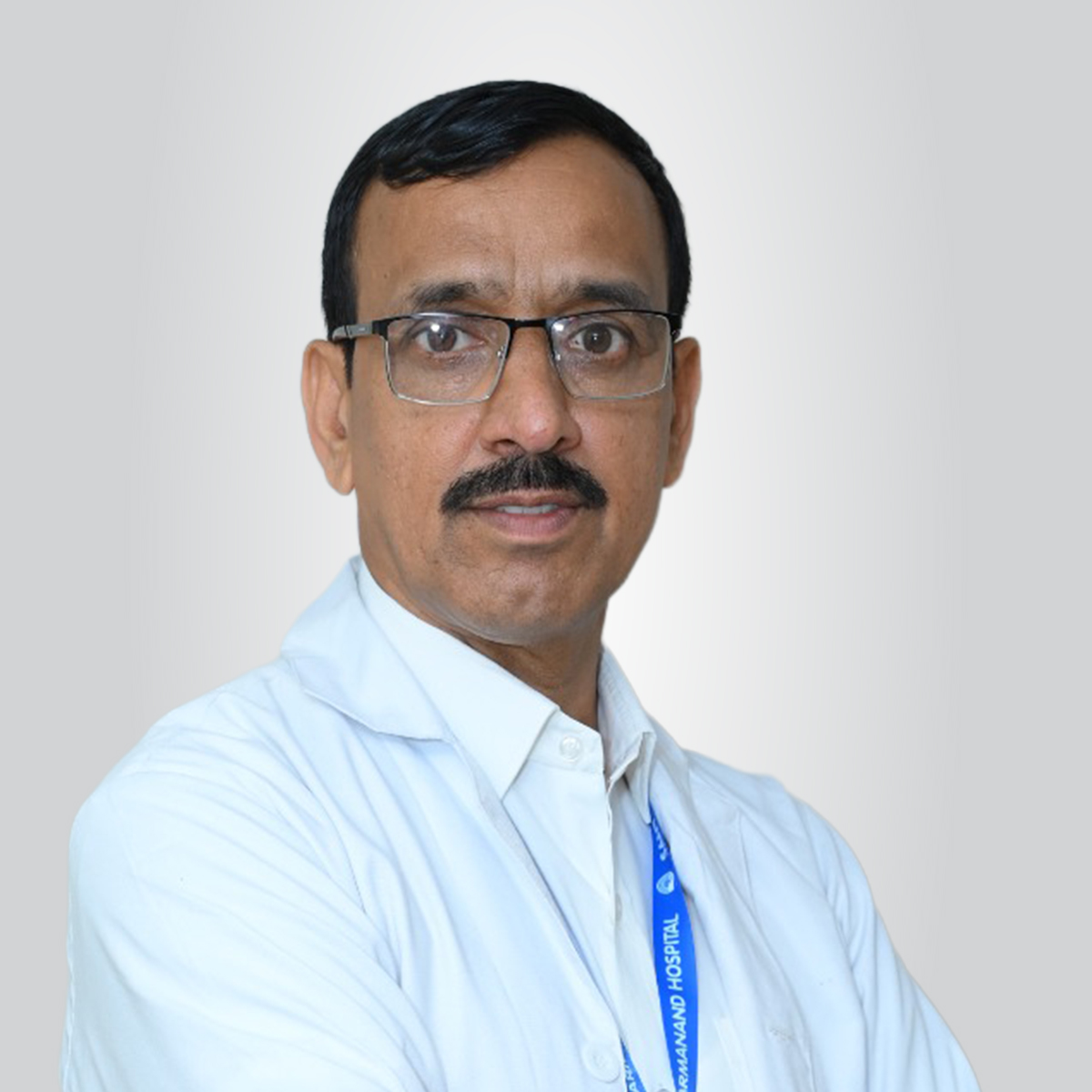
Dr. Vidhi Gupta, Dr. Ritika Butar, Dr. Vaibhav Miglani, and Mr. Rajesh Kumar.